

EN
Products
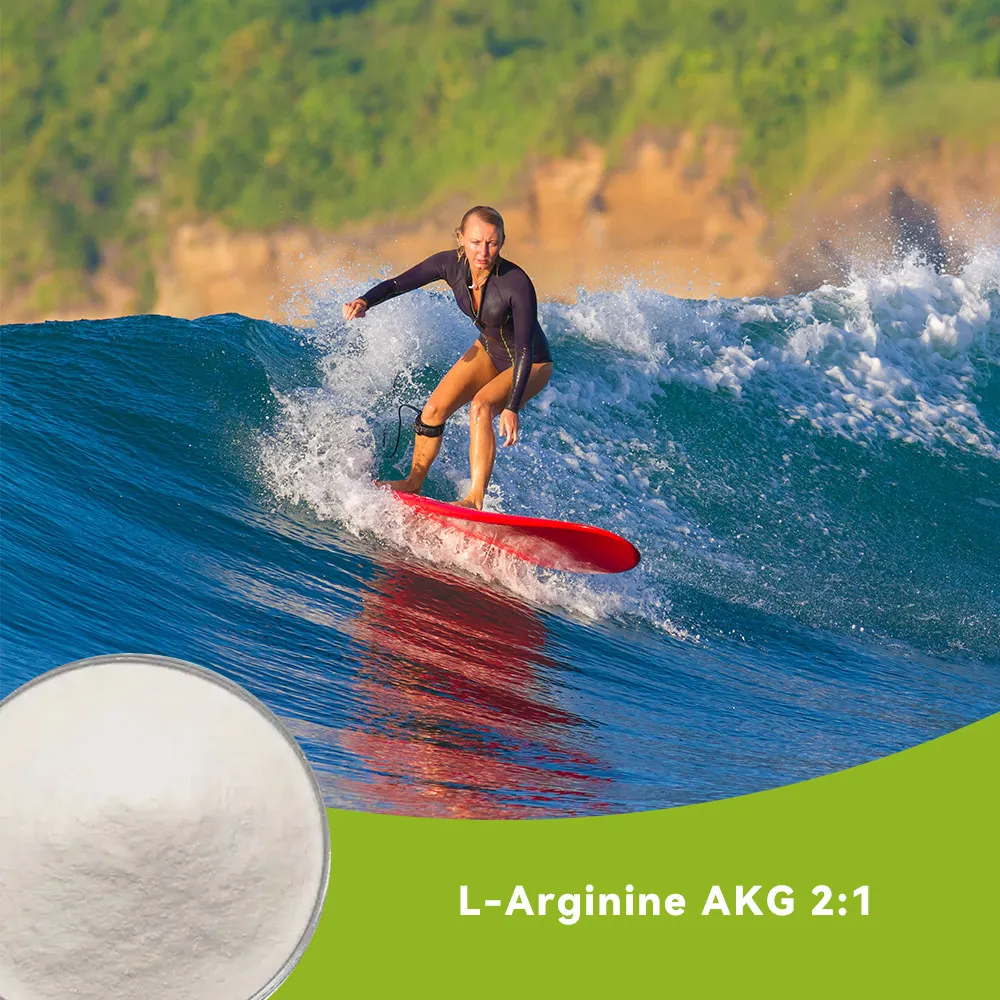
L-Arginine AKG 2:1

L-Arginine AKG 2:1

Features

    L-arginine and α-ketoglutarate in a 2:1 ratio are primarily used as a physical enhancement supplement.

GET A QUOTE
Introduction

L-Arginine Alpha-Ketoglutarate 2:1

A clinically studied nitric oxide booster combining two molecules of L-Arginine with one molecule of Alpha-Ketoglutarate — engineered for maximum bioavailability, explosive muscle pumps, and superior athletic performance.

CAS 5256-76-8 Molecular Weight 530.53 g/mol Purity ≥98%((according to product specification) GMP Certified
Common Name
AAKG 2:1
CAS Number
5256-76-8
Molecular Formula
C₁₇H₃₈N₈O₁₁
Molecular Weight
530.53 g/mol
Appearance
White Crystalline Powder
Solubility
Water & Alcohol
Understanding the Compound

What is L-Arginine AKG 2:1?


L-Arginine Alpha-Ketoglutarate 2:1 (AAKG) is a synergistic compound formed by binding two molecules of the semi-essential amino acid L-Arginine with one molecule of Alpha-Ketoglutarate (AKG) — a key intermediate of the Krebs cycle. This specific 2:1 molecular ratio is optimized to enhance the functional benefits and bioavailability of both components, making it one of the most effective forms of arginine supplementation available in sports nutrition.

L-Arginine serves as the primary substrate for nitric oxide synthase (NOS), the enzyme responsible for producing nitric oxide (NO) — a powerful vasodilator that relaxes blood vessels and increases blood flow to muscles. Meanwhile, Alpha-Ketoglutarate directly participates in cellular energy (ATP) production through the Krebs cycle and has demonstrated roles in ammonia detoxification and muscle protein synthesis. Together, these components create a compound that addresses both performance and recovery at the metabolic level.

Clinically Studied Benefits

Why Choose AAKG 2:1 for Your Performance Stack?

L-Arginine AKG 2:1 delivers multi-pathway support for athletes seeking a nitric oxide booster that goes beyond simple vasodilation.

01

Enhanced Nitric Oxide Production & Muscle Pumps

As a potent nitric oxide precursor, L-Arginine AKG fuels the NOS enzyme pathway, boosting endogenous NO synthesis. Nitric oxide relaxes vascular smooth muscle, causing vasodilation and dramatically increased blood flow to working muscles. The result: skin-splitting muscle pumps, enhanced vascularity, and superior nutrient delivery during high-intensity training.

Álvarez et al., Nitric Oxide, 2020
02

Maximal Strength, Power & Athletic Performance

In a controlled 8-week study, trained men supplementing with 12g daily of AAKG combined with resistance training showed significant improvements in 1RM bench press and peak power output. AAKG has also been demonstrated to favorably modulate post-exercise hormonal profiles, including elevated testosterone and reduced cortisol during recovery.

Campbell et al., Int J Sport Nutr Exerc Metab, 2006
03

Aerobic Energy & Endurance Support

The Alpha-Ketoglutarate component feeds directly into the Krebs cycle, optimizing mitochondrial ATP production and supporting sustained aerobic energy output. By enhancing oxygen delivery via NO-mediated vasodilation and fueling oxidative phosphorylation, AAKG 2:1 helps delay the onset of fatigue during prolonged endurance efforts.

Owczarek et al., Nutrients, 2024
04

Recovery, Ammonia Clearance & Muscle Health

Alpha-Ketoglutarate facilitates the clearance of ammonia — a toxic byproduct of intense exercise that contributes to central fatigue. Recent narrative reviews highlight AKG's positive role in skeletal muscle health, including the attenuation of muscle atrophy and promotion of muscle regeneration through satellite cell activation and protein synthesis pathways.

Rinschen et al., J Mol Med, 2024
Mechanism of Action

How L-Arginine AKG 2:1 Works in Your Body


01

L-Arginine → Nitric Oxide

L-Arginine is converted by nitric oxide synthase (NOS) into nitric oxide (NO) and L-citrulline. NO signals vascular smooth muscle to relax, increasing vessel diameter and blood flow to working muscles.

02

AKG → Krebs Cycle → ATP

Alpha-Ketoglutarate enters the Krebs (TCA) cycle as a direct substrate, driving oxidative phosphorylation and mitochondrial ATP synthesis for sustained cellular energy output.

03

Ammonia Detox & Recovery

AKG accepts amino groups via transamination, converting toxic ammonia into glutamate and glutamine — supporting nitrogen balance, reducing exercise-induced fatigue, and accelerating recovery.

Usage Guidelines

L-Arginine AKG 2:1 Dosage & How to Use

Based on clinical research protocols. Individual needs may vary based on body weight, training intensity, and health status. Start with the lower end to assess tolerance.

Goal Daily Dosage Timing Duration
Muscle Pump & Pre-Workout 3 – 6 g 30 – 45 min before training Training days
Athletic Performance 6 – 12 g (divided) Pre-workout & post-workout 8 – 12 week cycles
General Wellness 2 – 3 g Once daily, with a meal Ongoing
Recovery Support 3 – 6 g Post-workout or before bed Training days
Note: Clinical studies have used doses up to 12g/day of L-Arginine AKG over 8-week periods without significant adverse effects in healthy adults. Consult a healthcare professional for personalized dosage guidance.
Evidence-Based

Clinical Research & Scientific Evidence

The efficacy of L-Arginine AKG 2:1 is supported by peer-reviewed studies across sports performance, metabolic health, and longevity research.

Study I

AAKG & Resistance Training Performance

Campbell et al. — International Journal of Sport Nutrition and Exercise Metabolism, 2006

8-week randomized, double-blind, placebo-controlled study investigating AAKG supplementation (12g/day) combined with 4-day/week resistance training in trained adult males.

Significant improvements in 1RM bench press and peak anaerobic power vs placebo. No adverse effects on metabolic markers (blood lipids, glucose, renal function).
Study II

Hormonal Response & Endurance Adaptation

Study on AAKG in endurance athletes — Journal of Sports Science & Medicine

Assessed hormonal and metabolic effects of AAKG during prolonged endurance exercise and recovery in trained athletes.

AAKG favorably modulated hormonal profiles during recovery: increased post-exercise testosterone and reduced cortisol. The testosterone-to-cortisol ratio was significantly improved.
Study III

Alpha-Ketoglutarate, Lifespan & Healthspan

Asadi Shahmirzadi et al. — Cell Metabolism, 2020

Landmark study investigating CaAKG effects on lifespan and health metrics in aging C57BL/6 mice.

AKG extended median lifespan by 12% in female mice and significantly improved healthspan markers including reduced frailty and modulation of inflammatory cytokines. Suppression of chronic inflammation ("inflammaging") identified as key mechanism.
Review IV

AKG & Skeletal Muscle Health: Narrative Review

Rinschen et al. — Journal of Molecular Medicine, 2024

Comprehensive review synthesizing evidence on AKG's role in skeletal muscle physiology, protein metabolism, satellite cell function, and muscle wasting.

AKG plays a positive role in skeletal muscle health, with evidence supporting attenuation of muscle atrophy, promotion of regeneration, and modulation of mTOR and AMPK signaling pathways governing muscle protein synthesis.
Versatile Ingredient

Product Formulation Applications

L-Arginine AKG 2:1 is a versatile raw material suitable for a wide range of supplement delivery formats and product categories.

Pre-Workout Formulas

Core ingredient for nitric oxide-boosting pre-workout blends. Pairs synergistically with caffeine, citrulline, and beta-alanine.

🫧

Effervescent Tablets

Rapid dissolution, improved taste, and convenient dosing. Excellent bioavailability makes this a consumer-preferred format.

💊

Capsules & Tablets

Standard encapsulation for daily supplementation routines. Suitable for standalone and multi-ingredient formulas.

🥤

Intra-Workout Drinks

High water solubility makes AAKG ideal for intra-workout beverages designed to sustain blood flow during training.

🧬

Performance & Recovery Blends

Combine with BCAAs, creatine, and electrolytes for comprehensive formulas targeting serious athletes.

Longevity Supplements

Leveraging AKG's emerging research in lifespan and healthspan for healthy aging and metabolic wellness positioning.

Safety & Quality

Quality Assurance & Safety Information


Quality & Manufacturing Standards

  • Pharmaceutical-grade purity ≥99% verified by HPLC analysis
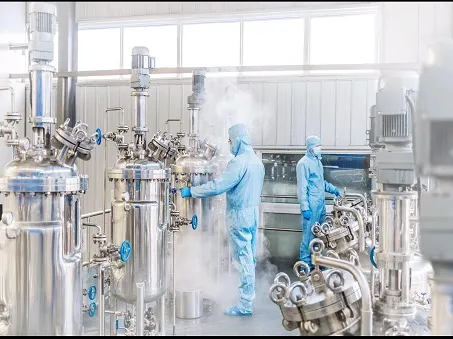
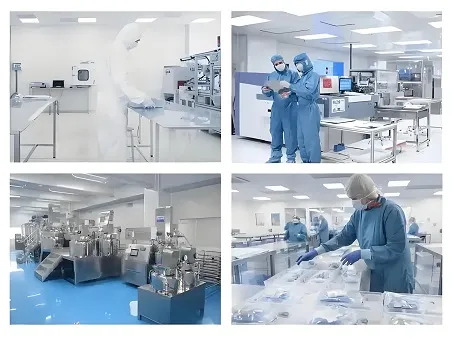
  • Manufactured in GMP-certified facilities
  • Third-party tested for heavy metals, microbial contamination, and identity
  • Full Certificate of Analysis (COA) available for every production batch
  • Available in Food Grade or customized specifications upon request.

Safety & Contraindications

  • Store in a cool, dry place away from direct sunlight.
  • 24 months when stored under recommended conditions.
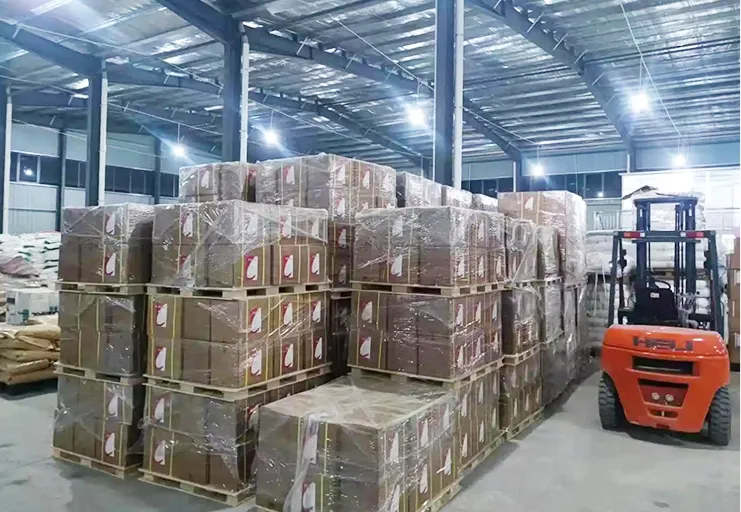
  • 25kg fiber drum with double PE bags inside.
  • Intended for use in dietary supplements, functional foods, and sports nutrition products.

    Not intended for direct retail sale to consumers.

Got Questions?

Frequently Asked Questions


L-Arginine Alpha-Ketoglutarate 2:1 (AAKG) is a compound formed by binding two molecules of L-Arginine with one molecule of Alpha-Ketoglutarate. L-Arginine serves as the primary substrate for nitric oxide synthase (NOS), which produces nitric oxide (NO) — a potent vasodilator that increases blood flow to muscles. The Alpha-Ketoglutarate component supports Krebs cycle energy production and ammonia clearance, creating a dual-action compound for both performance and recovery.

Clinical research protocols have used doses ranging from 3g to 12g per day, divided into multiple servings around training sessions. For muscle pump and pre-workout benefits, 3–6g taken 30–45 minutes before training is commonly recommended. For athletic performance, 6–12g daily over 8–12 week cycles has been studied. Always start with a lower dose (3g) to assess tolerance.

Key evidence-based benefits include: (1) Enhanced nitric oxide production for improved muscle pumps and vascularity, (2) Improved maximal strength and power output during resistance training, (3) Better endurance through optimized aerobic energy metabolism, (4) Faster recovery via ammonia clearance and favorable hormonal modulation (increased testosterone, reduced cortisol), and (5) Emerging evidence for AKG's role in healthy aging and muscle preservation.

While regular L-Arginine provides only the amino acid, L-Arginine AKG 2:1 combines it with Alpha-Ketoglutarate in a 2:1 molecular ratio. The AKG component enhances bioavailability, supports Krebs cycle energy production, facilitates ammonia detoxification, and has been independently studied for its roles in muscle protein synthesis and longevity — making AAKG 2:1 a more comprehensive supplement than plain L-Arginine.

L-Arginine AKG 2:1 is generally considered safe for healthy adults at recommended doses. An 8-week clinical trial using 12g/day showed no adverse effects on blood lipids, glucose, or renal function. However, individuals with pre-existing conditions (cardiovascular disease, herpes, kidney impairment), those taking medications (nitrates, antihypertensives), and pregnant or nursing women should consult a healthcare professional before use.

Yes. Popular stacks include: L-Citrulline (extended NO production via the citrulline-NO cycle), Creatine Monohydrate (strength and power), Beta-Alanine (endurance buffering), Caffeine (energy and focus), and BCAAs/EAAs (muscle protein synthesis and recovery). When formulating, account for total L-Arginine intake from all sources in dosage calculations.

L-Arginine AKG 2:1 is available as a fine white crystalline powder, suitable for hard-shell capsules, tablets, effervescent tablets (rapid dissolution, improved palatability), or flavored drink powders. Its high water solubility makes it particularly well-suited for effervescent and ready-to-mix beverage formats. Custom particle sizes and granulation options are available from GMP-certified manufacturers.

COA
Product Name L-Arginine Alpha Ketoglutarate 2:1
Batch No. 20250312  Batch Size 1000KG
Manu.Date 2025-03-08 Expiry Date 2027-03-07
         
ltem Specification Resuls Test method
Identification HPLC Positive HPLC
Appearance White to yellow
Crystalline powder
White to yellow
Crystalline powder
Visual
Assay(%) 98~102.0 100.66  HPLC
L-Ariginine(%) 65.5~69 66.52  HPLC
Alpha Ketoglutarate(%) 26.5~29 27.74  HPLC
Specific rotation()[a]o²0
(8g/100mL,6N HCI)
+16.5~+18.5 18.1  USP
PH(10%H₂O) 5.5~7.0 6.0  USP
Hydrate ≤6.8 6.4  USP
Chloride(%) ≤0.05 0.03  USP
Loss on Drying(%) ≤1.0 0.35  USP
Residue in Ignition (%) ≤0.2 0.10  USP
Heavy Metals(ppm) ≤10 ppm <10 ppm AAS
As(ppm) ≤1 ppm <1 ppm AAS
Pb(ppm) ≤1 ppm <1 ppm AAS
Cd(ppm) ≤1 ppm <1  ppm AAS
Hg(ppm) ≤1 ppm <1 ppm AAS
Iron(ppm) ≤10 ppm <10 ppm AAS
Bulk density(g/ml) ≥0.5 0.53   
Particle Size Thus 30 100%  
Total Plate Count (cfu/g) ≤1000 <1000 USP
Yeast(cfu/g) ≤100 <100 USP
Mold (cfu/g) ≤100 <100 USP
E.Coli(cfu/g) Negative Not detectable USP
Salmonella(cfu/g) Negative Not detec
table
USP
Staphylococcus Aureus
(cfu/g)
Negative Not detetable USP
Melamine and Melamine
derivatives
Free Free  
Conclusion Comply with the specifications


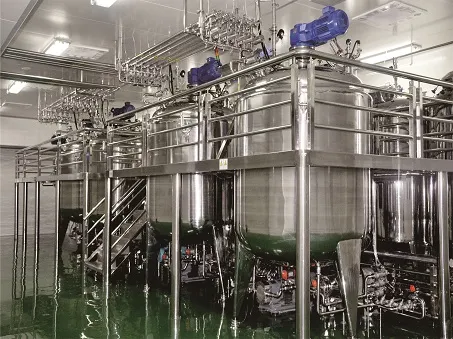
Factory View


LEAVE MESSAGE

Have Questions About Arshine Nutrition?

Our professional sales team is waiting for your consultation.

GET IN TOUCH